Adlan-Vot Tech Services
A Steel & Metal Fabrication Company.
Welding and Metal Joining
Welding and Metal Joining involves the expertise and equipment needed to weld and join metal components together to create structures, products, and assemblies. This service is essential across various industries, including construction, manufacturing, automotive, aerospace, and more. Here’s an overview of how welding and metal joining as a service typically works:
- Consultation and Assessment: The process usually begins with a consultation between the client and the welding service provider. During this phase, the client outlines their project requirements, material specifications, and any design considerations. The welding team may offer advice on the most suitable welding methods and techniques based on the project’s needs.
- Material Selection: Different metals and alloys have unique properties that influence the choice of welding method. The service provider helps the client select the appropriate materials, considering factors such as strength, durability, heat resistance, and cost.
- Welding Method Selection: There are various welding methods available, including MIG (Metal Inert Gas), TIG (Tungsten Inert Gas), arc welding, spot welding, and more. Each method has its strengths and weaknesses. The welding service provider helps choose the most suitable method based on the project’s specifics.
- Preparation and Setup: Before welding, the metal surfaces to be joined need to be properly prepared. This involves cleaning, degreasing, and often precise cutting or shaping of the edges. The welding team ensures that the components fit together accurately and securely.
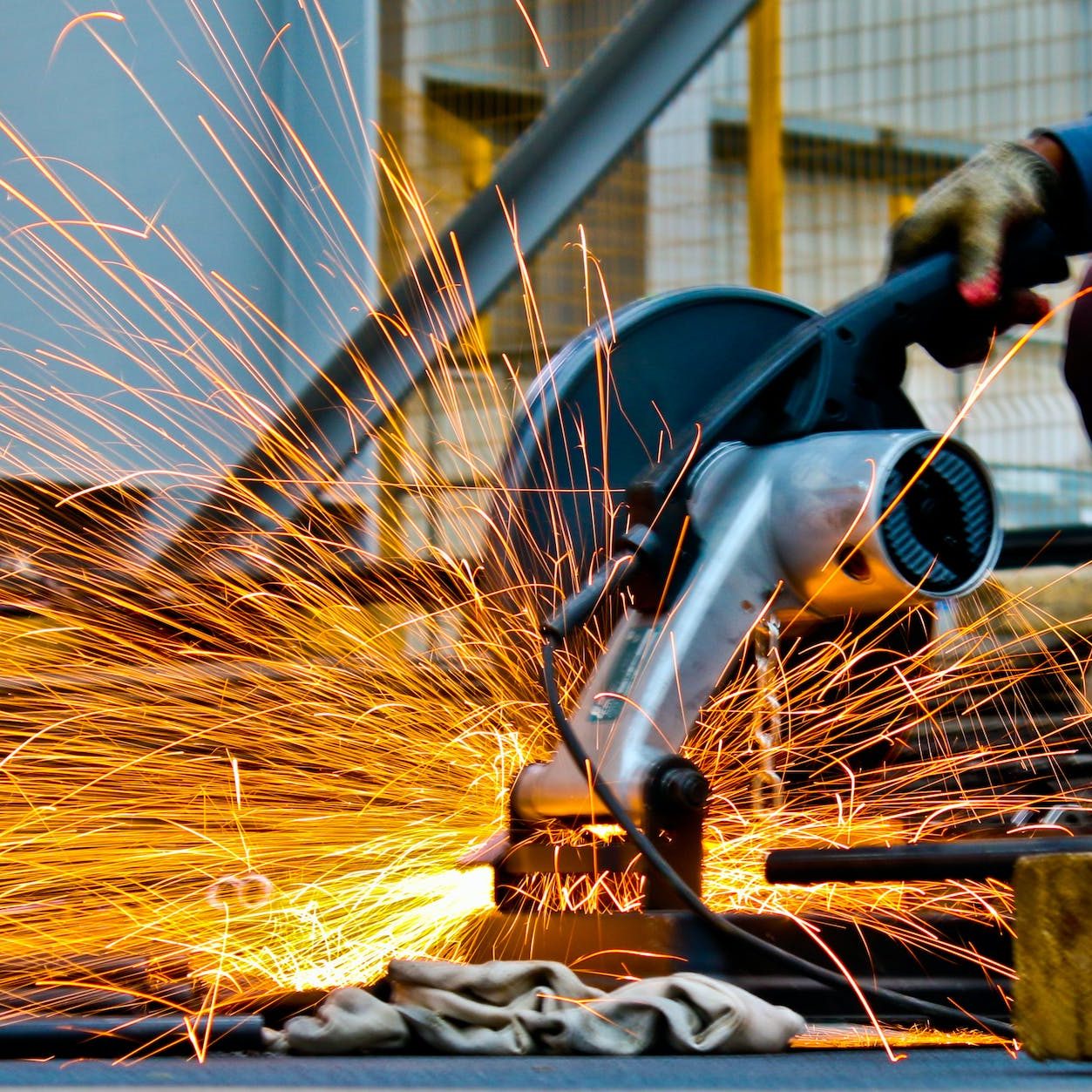
- Welding Process: Skilled welders use the selected welding technique to join the metal components. During this phase, heat is applied to melt the metal surfaces, and a filler material may be used to strengthen the joint. The goal is to create a strong, reliable bond between the metals.
- Quality Control: Quality control is crucial in welding and metal joining. The welded joints undergo visual inspection, non-destructive testing (NDT), and other quality assessment methods to ensure that they meet industry standards and specifications.
- Post-Welding Treatment: After welding, certain processes might be necessary to improve the quality of the joint. This can include heat treatment to relieve stresses, surface finishing to improve appearance, and stress-relief processes to prevent distortion.
- Documentation and Certification: For certain applications, especially in industries with strict regulations such as aerospace or automotive, proper documentation and certification of the welding processes and results might be required. The service provider should be capable of providing the necessary documentation to demonstrate compliance.
- Delivery and Installation: Depending on the project, the welded components might need to be delivered to the client’s location and installed. This requires coordination between the welding service provider and the client.
- Expertise and Equipment: Welding and metal joining require specialized equipment, including welding machines, torches, safety gear, and more. The service provider needs to have a skilled team of welders who are experienced in various welding methods and able to adapt to different project requirements.
- Safety and Compliance: Safety is paramount in welding and metal joining due to the high temperatures and potential hazards involved. The service provider must adhere to safety protocols and industry standards to ensure the well-being of their workers and the quality of the work.
We provide clients with the expertise needed to create durable and structurally sound metal assemblies. The service ranges from small-scale projects, such as fabricating custom metal structures, to larger projects like constructing industrial machinery or components for large-scale infrastructure.

 Home
Home 